
Lower Belly Pooch v's Diastasis: Why do you still look pregnant (and what pressure has to do with it)
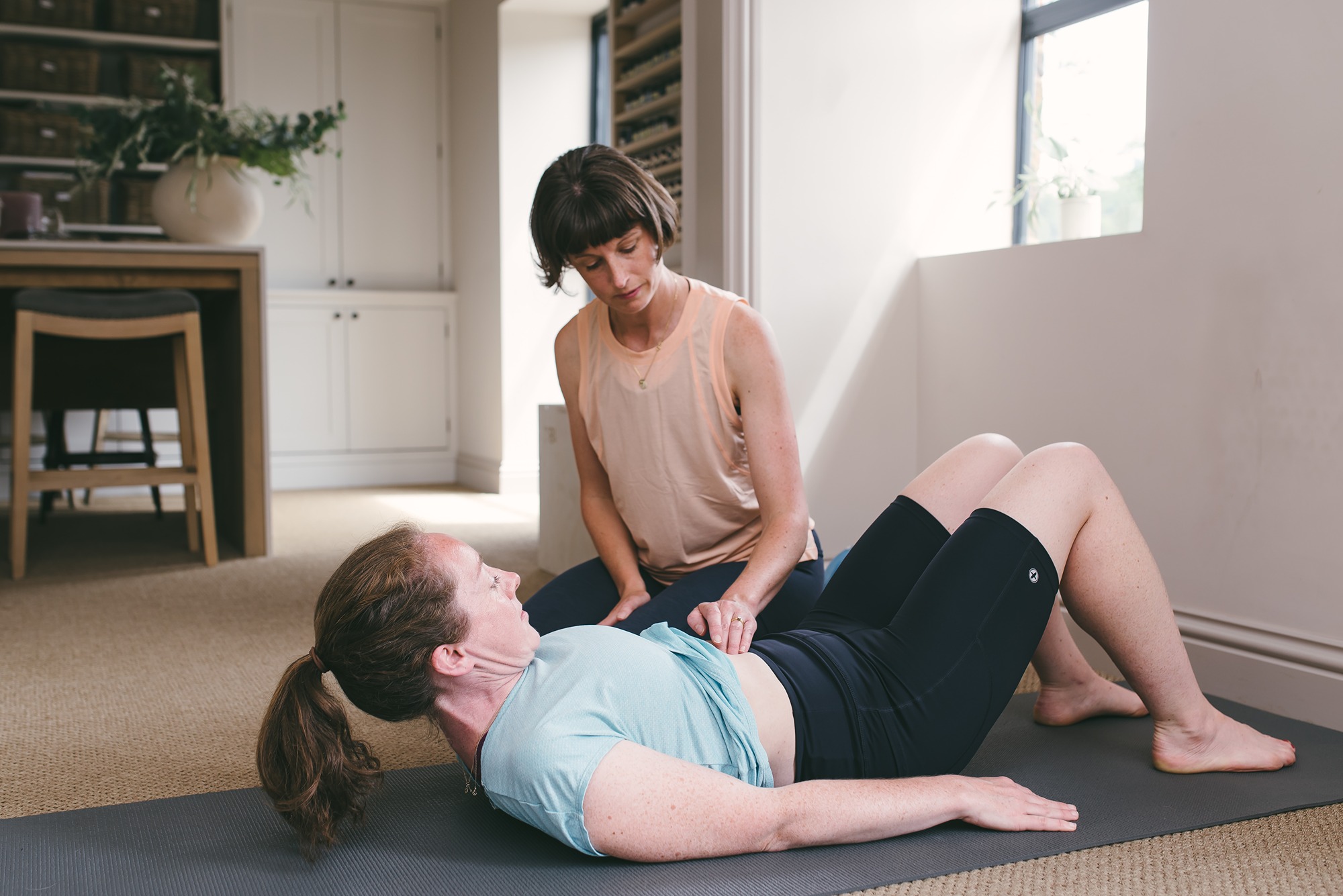
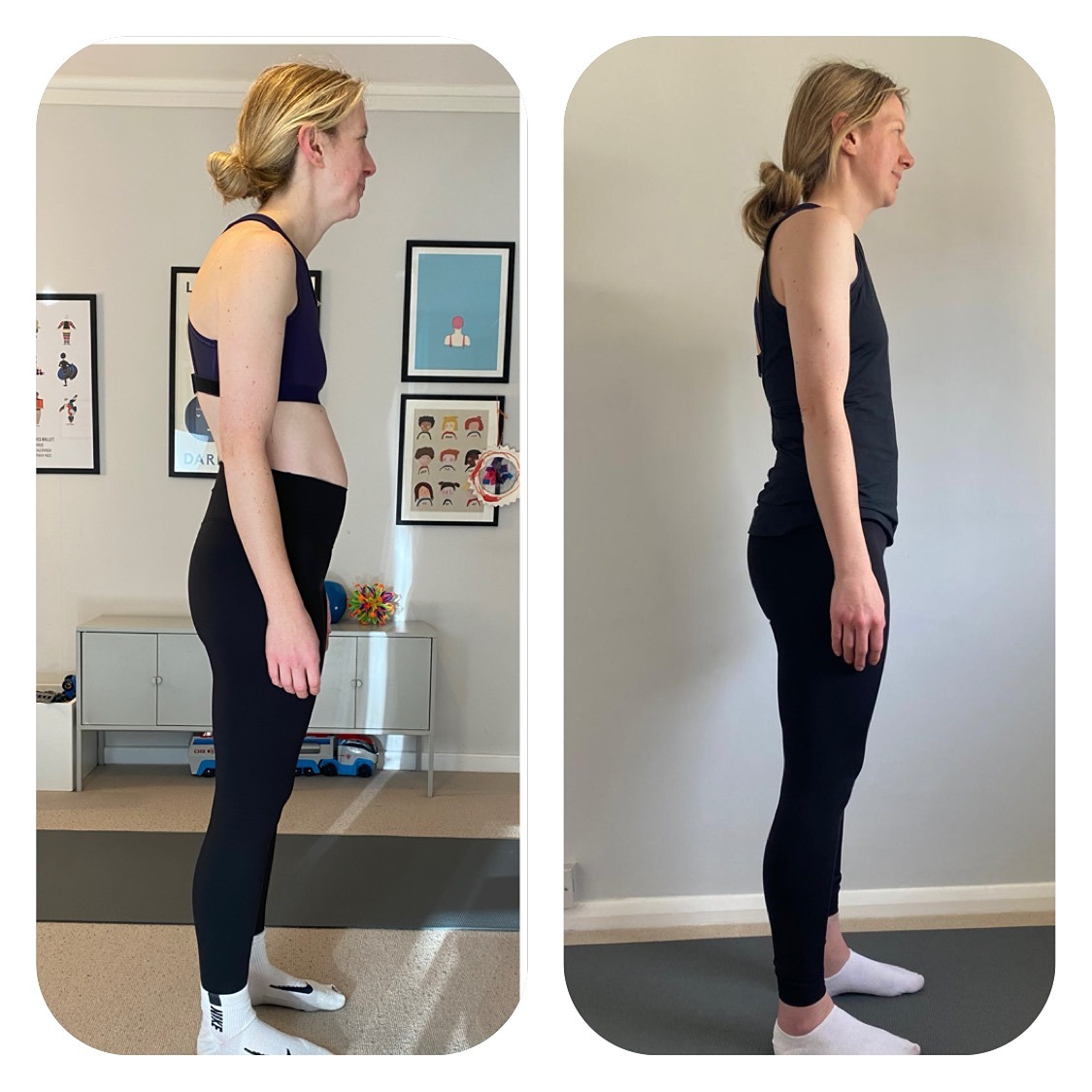
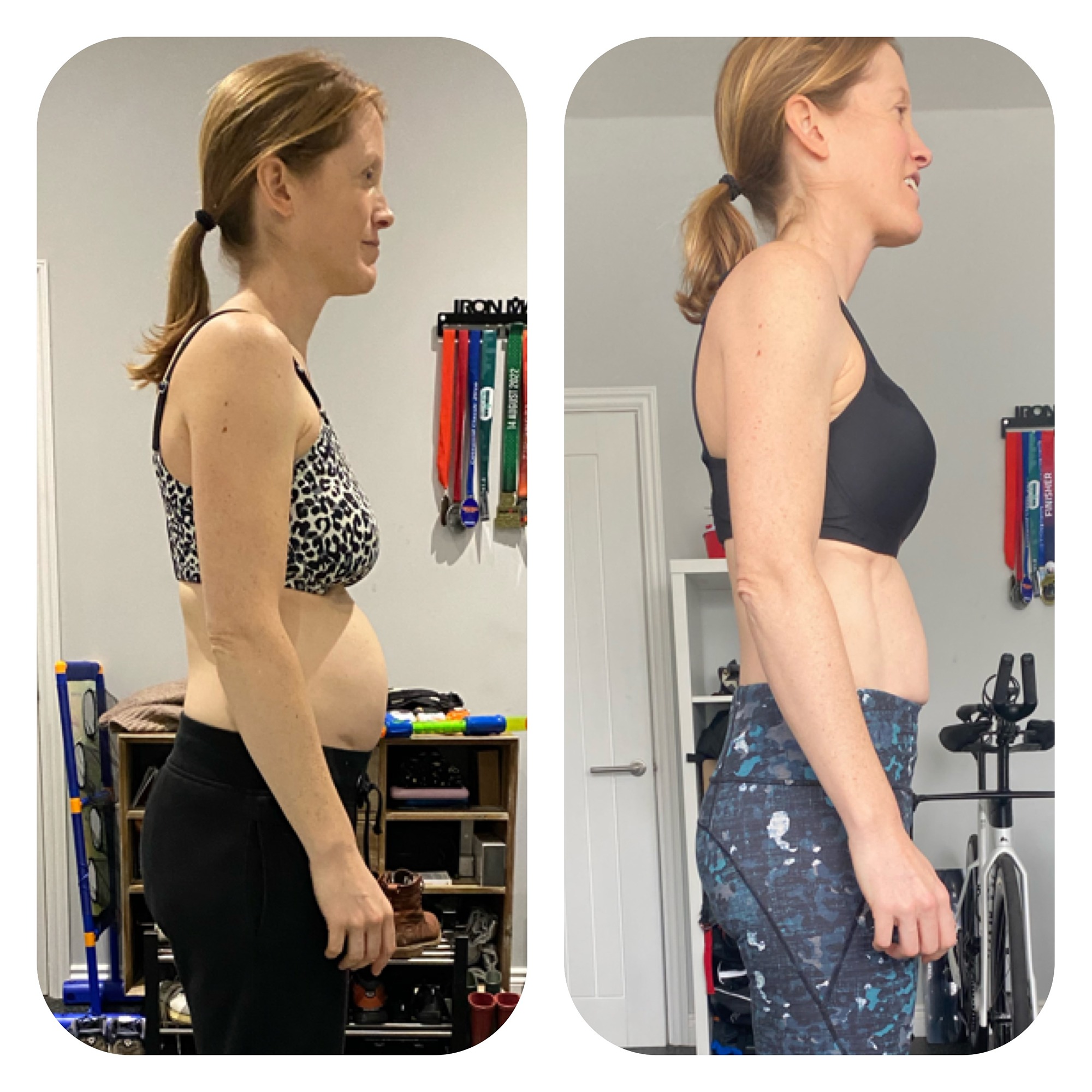
If you’ve tried every core exercise and every “flatten your stomach” routine and your lower belly still won’t change, it’s rarely because you’re not working hard enough. More often, it’s because the explanation you’ve been given about why distension occurs is incomplete and misunderstood.
”A persistent lower belly “pooch” is something many women feel stuck with after having children. They search for answers online and are quickly directed toward more core exercises and more flatten your stomach routines. So they try harder: more ab work, more “engage your core,” more effort to flatten their stomach.
But for many women, the results never quite match the promise.
Clothes fit differently. Confidence drops. Their abdomen feels distended and uncomfortable. Some are even confronted with awkward comments like “When are you due?” They begin analysing everything — their diet, their exercise routine, their habits. Many end up blaming themselves. Yet despite changing workouts or tightening their nutrition, the abdominal protrusion often doesn’t change.
This is exactly what led me to look more deeply at the presentation of a distended core. One comment from a client has stayed with me ever since. She told me that while attending a formal work event, security directed her to join the family line at the entrance. On the surface she laughed it off — but moments like that can stay with you.
Experiences like this highlight just how emotionally loaded this topic can be. And it’s also why the explanation needs to go deeper than the common answers people are given:
“It’s diastasis recti.”
“Your core is weak.”
“It’s your posture.”
These explanations can tell part-of or none of the story. In many cases, the lower abdominal bulge is less directly about weakness, not always related to diastasis and more about how the body is managing pressure. Until the pressure strategy improves, it is likely that no amount of dietary and exercise modifications made will change the distended appearance.
It’s not simply the gap that determines the shape of the abdomen. It’s how the system manages pressure, creates tension and transfers load.
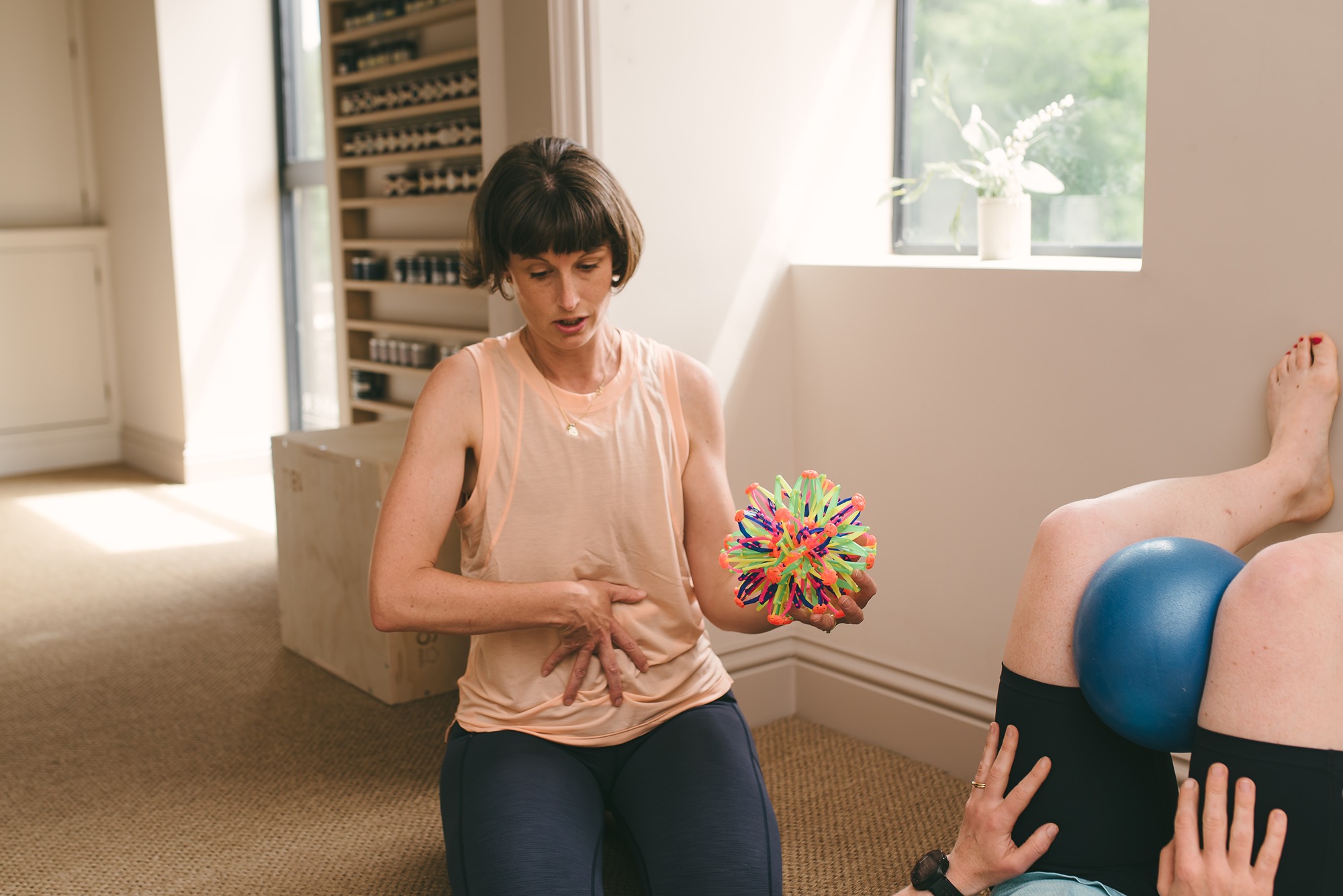
Why Diastasis and Distension sometimes (not always) exist together
Diastasis and abdominal distension can appear together — not because one directly causes the other, but because if they both present together that presentation is feeding off the same underlying pressure‑management patterns. Pregnancy, along with years of bracing, shallow breathing, or limited rib mobility, can create long‑standing adaptations in how the trunk handles load and pressure. These may include:
diaphragm position
reduced posterior and lateral rib expansion
thoracic stiffness
altered breathing mechanics
changes in pelvic floor coordination
connective‑tissue adaptations
hip and pelvic stiffness
These patterns don’t simply disappear with time. They become the body’s default strategy for managing pressure and load.Within a distended environment, the linea alba may remain wider for some women, while others regain a narrower gap. That variation can reflect differences in connective-tissue remodelling, collagen characteristics, or even rectus hypertrophy (Donnelly, 2019) — all of which influence the physical presentation of a diastasis gap. In addition you can have less distension but with a good ability to develop tension and transfer load across the abdominal wall.
This is why you might see:
A diastasis without any visible protrusion
In this case, the width of the gap may reflect connective‑tissue remodelling, collagen quality, or rectus structure — but the abdominal wall isn’t being pushed forward by pressure. That doesn’t automatically mean the whole system is coordinating perfectly; it simply means pressure isn’t being directed outward into the abdominal wall.
Some women maintain a relatively flat abdominal profile because their trunk distributes pressure in a way that doesn’t create forward protrusion — even if other elements of the system (rib mobility, pelvic floor behaviour, breathing mechanics) still have room for improvement.
In these situations, the abdomen may appear flat while a separation remains, because the system isn’t relying on constant gripping or high‑pressure strategies that push the abdominal wall forward. It doesn’t mean everything is “ideal,” only that the visible presentation isn’t being driven by forward pressure.
A small, “normal” gap with significant distension
In this scenario, the connective tissue is generally doing its job — collagen quality, remodelling, and rectus structure are relatively good — but the pressure strategy is not. The abdominal wall is being asked to absorb more pressure than it can distribute, so the belly moves forward even though the gap itself is within a typical range.
This pattern often reflects a system that is struggling to share load efficiently. You might see limited rib mobility, shallow or high‑pressure breathing, gripping through the upper abs, feet, quads, hamstrings or pelvic floor, or a tendency to brace the abdomen as a default. These strategies reduce variability and make it harder for the diaphragm, abdominal wall, and pelvic floor to coordinate under load. The system is simply directing pressure forward because it has fewer options available.
Diastasis and abdominal wall distension can occur together
Diastasis and abdominal wall distension can occur together — not because one directly causes the other, but because they often develop within the same pressure‑management environment.
Postpartum connective‑tissue remodelling varies widely between individuals. Some women experience slower collagen turnover or delayed adaptation of the linea alba (Lax et al., 2026). When this slower remodelling is paired with a pressure strategy that repeatedly loads the abdominal wall in the same way, distension can increase strain on the linea alba, further slowing its ability to adapt — a mechanism supported by biomechanical modelling and load‑distribution hypotheses (Blank, 2024).
This presentation typically requires change at two levels:
a. Tissue‑level adaptation
(load, tension, hypertrophy)
Systematic reviews show that targeted exercise can influence inter‑recti distance and abdominal wall function, although no single protocol is consistently superior (Bigdeli et al., 2024; Skoura et al., 2024). This reinforces that tissue responds to load — but the degree and speed of change vary significantly between individuals.
b. Strategy‑level adaptation
(pressure management, breathing, rib mobility, coordination)
Current reviews highlight that altered trunk mechanics, breathing patterns, and pressure strategies are common in women with DRA and influence both appearance and function (Skoura et al., 2024). These are modifiable behaviours that shape how load is distributed across the abdominal wall.
The two layers feed each other. They share the same underlying environment — the same pressure strategy — but one does not depend on the other. Tissue characteristics may influence the appearance of a diastasis, but it is the behaviour of the system that drives the pattern.
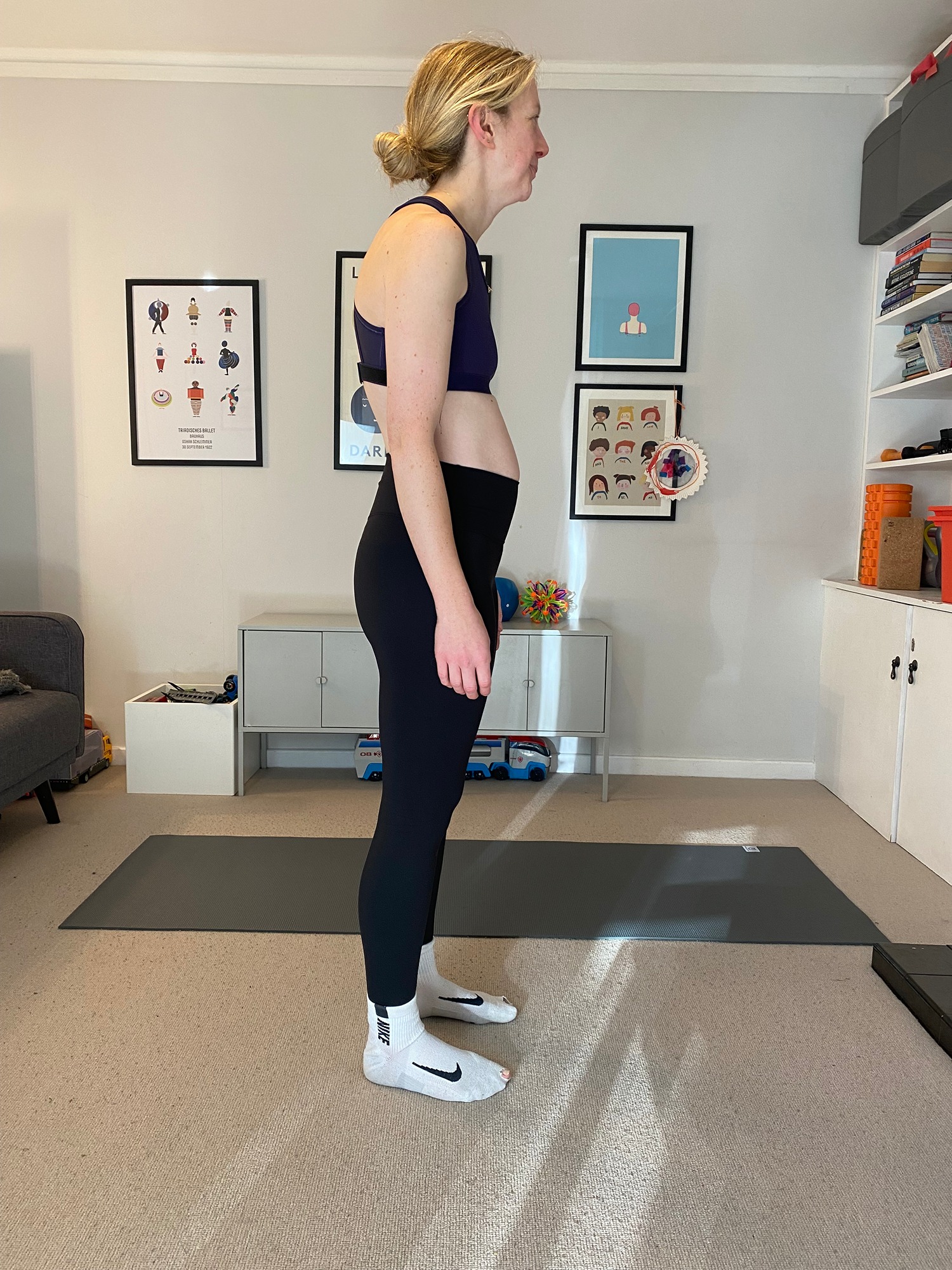
A pattern I see frequently
Many people with persistent lower‑belly distension also present with a familiar cluster of movement patterns — things like a stiff or rounded upper back, reduced thoracic rotation, limited lateral rib expansion, stiffness through the lower ribs, a less‑than‑ideal rib‑to‑pelvis relationship, tight hips or hip flexors, or a tendency toward anterior pelvic tilt or lumbar extension.
At first glance, these can look like separate issues.
But in reality, they’re often different expressions of the same underlying pressure strategy.
When the rib cage, torso and pelvic floor can’t expand well backward or laterally, inhalation pressure has fewer places to go.
And when the abdominal wall has altered tension — which is incredibly common after pregnancy — the belly becomes the path of least resistance. We often blame this on “weakness,” but if it were simply weakness, then more core exercises would reliably fix it. They don’t, because the issue isn’t strength in isolation.
More often, the whole system has adopted a strategy built around stiffness, limited variability, and reduced movement options. Over time, this makes it harder for the core to generate tension or coordinate effectively with the diaphragm, rib cage, and pelvic floor.
In other words, it’s not that the muscles are “too weak to hold things in.” It’s that the length‑tension relationships and the pressure strategy make engagement feel unreliable, or disconnected.
It can also appear with a posterior tilt
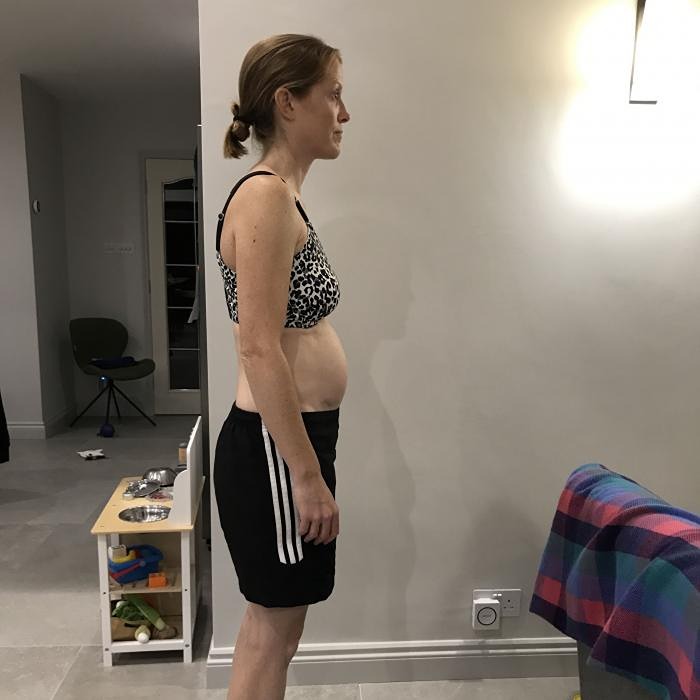
Interestingly, the same lower abdominal distension can also appear in people with some slightly different postural presentations. At first glance this posture appears to be the opposite of an anterior tilt posture - a posterior pelvic tilt with hamstrings in a shortened position but similarly the rib cage is compressed, thoracic rotation is limited and there is poor distribution of pressure on breathing.
So once again, pressure tends to move forward into the abdominal wall. The lower abdomen becomes the area that yields most easily. This is why trying to “fix posture” alone rarely solves the issue.
Two people may look very different externally — one with an anterior tilt and one with a posterior tilt — both will need different coaching strategies, variation in exercise selection but ultimately both may be managing pressure in very similar ways internally.
Why focusing on core exercises or closing the gap isn't the full answer
Much of the conversation around diastasis and abdominal distension tends to focus on:
narrowing the separation
strengthening the transverse abdominis
training the rectus abdominis
avoiding hard abdominal doming
Whilst improving your ability to create and control safe and effective abdominal tension and introducing hypertrophy into the abdominal wall can certainly be beneficial, excessive bracing strategies on a stiff system that lacks movement variability may reinforce the same pressure patterns that first contributed to distension.
Healthy trunk function requires adaptability, not constant rigidity. The goal of movement training should therefore be to improve mobility of key structures and the coordination of the body’s pressure system, rather than simply trying to flatten the abdomen or close the gap.
In all of this complexity, the missing pieces are often co-ordination and efficient relationships. When the rib cage and pelvis and its connecting soft tissues stop working well together, pressure loses its direction.
What actually helps?
Firstly - patience, trust and a shift in the "core training" mindset. We need to set your system up for efficient function - not load strength onto poor strategies.
Lateral Abdominal Expansion
One of the most important — and often most difficult — abilities to restore is lateral abdominal expansion. During an efficient breath, the abdomen should not only move forward but also expand gently to the sides. Many people struggle to nail the lateral abdominal expansion as part of their inhale. Years of bracing their core and pelvic floor and pregnancy contributes heavily to this lateral abdominal tension.
Learning to expand laterally allows pressure to distribute more evenly through the trunk. When the sides of the abdominal wall become rigid or held inward, pressure often shifts forward into the lower abdomen instead. Helping people reconnect with this sideways expansion can be a subtle but powerful change in how their core functions.
Rib Cage and Diaghragm Mobility
The rib cage does more than surround the lungs. It forms the structural environment in which the diaphragm works. The diaphragm attaches around the lower ribs, sternum and upper lumbar spine, creating a dome that separates the thoracic and abdominal cavities. Because of these attachments, the shape and mobility of the rib cage directly influence how the diaphragm can move.
When the rib cage expands during inhalation, the diaphragm is able to descend and flatten. This movement increases space in the thoracic cavity and contributes to the regulation of pressure within the abdomen. Research has shown that the diaphragm plays an important role not only in breathing but also in postural control and trunk stabilisation (Hodges & Gandevia, 2000; Kolar et al., 2010). Pregnancy alters this rib cage–diaphragm relationship. As the uterus grows, the diaphragm is pushed upward and the rib cage widens to maintain breathing capacity (LoMauro & Aliverti, 2015). After birth, rib cage movement does not always fully restore. Many women continue to show reduced posterior rib expansion, limited lateral rib movement, and more upper-chest dominant breathing.
When the ribs cannot move freely, the diaphragm may struggle to descend and ascend effectively. As a result, pressure has fewer directions in which it can distribute through the trunk. Improving rib cage mobility allows breathing to become more three-dimensional. The ribs can expand sideways and backwards during inhalation, allowing pressure to spread through the trunk rather than pushing forward into the abdominal wall. During exhalation, the natural recoil of the rib cage and diaphragm helps move pressure back upward into the thoracic cavity, restoring a more balanced pressure system.
Limited lateral and posterior expansion
360 degree even expansion
Thoracic Spine Rotation
The thoracic spine is designed to rotate. However, many people gradually lose this ability due to daily habits such as:
prolonged sitting
carrying children on one side
rib stiffness and inefficient breathing patterns
tension and holding patterns around the abdomen
When thoracic rotation is limited rib cage expansion and diaphragm function will also be affected; ultimately reducing the body’s ability to distribute load and pressure during movement. Restoring rotation through the thoracic spine often improves how the rib cage moves and how the core responds during everyday tasks.
Coordinating the Diaphragm and Pelvic Floor
The diaphragm and pelvic floor work together as part of the body’s pressure management system. During inhalation, the diaphragm descends while the pelvic floor subtly lengthens. During exhalation, both structures naturally recoil, helping to support the abdominal contents and regulate pressure within the trunk. When this coordination is disrupted — for example through chronic breath-holding, excessive abdominal bracing, or long-standing movement patterns — the system can lose some of its natural rhythm. Helping the diaphragm and pelvic floor work together again often restores a more efficient pressure response throughout the trunk, allowing breathing and core function to feel more coordinated and less effortful.
Teaching the Body How to Create Tension
Many people with persistent abdominal distension are stuck in what I often describe as an “upper-ab gripping” pattern. When the upper abdominal wall is constantly held tight, pressure tends to be pushed downward and forward — often into the lower abdomen.
But the core is not designed to stay rigid. It functions through a rhythmic pattern of lengthening and contraction. Even at rest, a healthy breathing pattern allows gentle 360-degree expansion of the rib cage and abdomen during inhalation, followed by a coordinated recoil of the abdominal canister during exhalation.
As activity levels increase — lifting weights, running, or even picking up children — this pressure system simply increases its level of support.
Diaphragm and Pelvic Floor Alignment
The diaphragm and pelvic floor work most efficiently when they are relatively stacked within the trunk. If the rib cage is excessively lifted or the pelvis is tucked under, the relationship between these structures can become altered. Improving the alignment of the rib cage over the pelvis often allows both the diaphragm and pelvic floor to function more naturally. This small change in orientation can significantly influence how pressure is managed during breathing and movement.
Hip and Pelvic Mobility
The hips and pelvis play a major role in how the core functions. Limited hip mobility can influence how the rib cage and pelvis stack, affecting length‑tension relationships, the ability to create tension and distribute pressure. Pelvic stiffness can also influence how the pelvic floor responds to load. Restoring comfortable mobility through the hips and pelvis helps the entire system share forces more evenly, reducing the likelihood that pressure will be directed forward into the abdominal wall.
References
Bigdeli, M., et al. (2024).
Effects of exercise interventions on inter‑recti distance and abdominal wall function: A systematic review. Journal of Women’s Health & Physical Therapy.
Blank, S. (2024).
Biomechanical modelling of abdominal wall loading and pressure distribution. Journal of Biomechanics.
Donnelly, C. (2019).
Variability in rectus abdominis morphology and its influence on diastasis recti presentation. International Journal of Abdominal Wall & Pelvic Health.
Lax, A., et al. (2026).
Postpartum connective‑tissue remodelling and collagen turnover in the linea alba. Obstetrics & Gynecology Research.
Skoura, X., et al. (2024).
Trunk mechanics, breathing patterns, and pressure strategies in women with diastasis recti abdominis: A systematic review. Women’s Health & Movement Science.

If this made you feel seen and you're thinking "this finally makes sense" — then this is exactly the work I do.
I’m Niamh — a movement specialist and biomechanical coach working with women who feel stuck in their bodies long after pregnancy, through perimenopause, or after years of tension, gripping, and compensating.
My work isn’t about fixing a “weak core” or chasing symptoms. It’s about understanding the whole system — how you breathe, how you move, how your ribs and pelvis communicate, how your hips load, and how your strategy has been shaped by everything your body has lived through.
When we restore mobility, variability, and strength‑in‑length, the body stops fighting itself. Distension softens. Tension reduces. Movement feels available again.
If you’re ready to explore this work more deeply SOMA offers:
1:1 Private Coaching: Personalised, high‑touch support for women who want clarity, a tailored plan, and a strategy that finally fits their body.
6‑Month Mentorship: A deeper, movement opportunity for women who want to understand their body on a whole‑system level and create lasting change in how they move, breathe, and load.