
Return to running after having a baby—without pain, leaking, or second-guessing your body
A step-by-step 12-week programme that shows you exactly how to rebuild strength and know when you're truly ready to run again.
Run-Ready Postpartum Programme
✔ 12-week structured plan
✔ 3 guided sessions per week
✔ Core + pelvic floor built in
✔ Direct coach support
This programme is for you if:
You’re 6+ weeks postpartum and want to run again
You’re unsure if your body is ready
You’ve been “cleared” to exercise—but still don’t feel confident running
You’ve tried running and felt pain, heaviness, or leakage
You’re worried about “doing more damage” if you start too soon
You’ve been told to “just listen to your body”… but don’t know what that actually means
You feel disconnected from your core or unsure how to engage it properly
You’re doing bits of rehab or exercise but don’t know if it’s actually preparing you to run
You want a clear, structured plan—not trial and error
You want to feel strong, confident, and in control when you run again
If even one of these feels familiar, this programme was designed for you.

A 6–8 week GP check clears you for daily life — not for the impact demands of running.
A guided 3-Phase Pathway
Run-Ready Postpartum takes you from solid foundations all the way to impact.This programme is designed to make you run-ready — not to rush your return to running. Some women may choose to begin short run-walks afterwards; all women finish with the strength, coordination, and clarity to do so safely.
Phase 1 - Connect and Restore
Rebuild the systems running stresses most
Before we think about impact, we rebuild the foundations that running depends on.
This phase focuses on restoring strength, coordination, and capacity in the systems most affected by pregnancy and birth — pelvic floor, core, hips, feet, and breathing. We assess how your body is currently managing load and movement, so nothing is left to guesswork.
You’ll learn:
What your body needs before impact
How to read readiness signals — and warning signs
When to progress, and when to pause
This is where uncertainty drops away and confidence begins.
Phase 2 - Prepare for Impact
Build strength, control, and tolerance to load
With strong foundations in place, we begin preparing your body for the demands of impact — gradually and intentionally.
This phase develops the strength, control, and tissue capacity required to absorb force safely. Load is introduced progressively, allowing your body and nervous system to adapt together without symptom flare-ups.
You’ll focus on:
Gradual exposure to load
Strength and control through key running patterns
Building impact tolerance without rushing outcomes
This is where your body starts proving what it’s capable of again.
Phase 3 - Integrate & Coordinate
Prepare your body for running — without the pressure to run
This final phase brings everything together.
Rather than pushing into running, we focus on the skills running requires: coordination, rhythm, reactivity, and efficient force transfer. You’ll explore running mechanics in a low-pressure environment, using drills and impact-based movements that prepare your body for the realities of running — without forcing a return before you’re ready.
This phase emphasises:
Running mechanics without continuous running
Coordination, timing, and reactive strength
Clear readiness criteria for next steps
You’ll finish the programme knowing exactly where you stand — and what to do next.
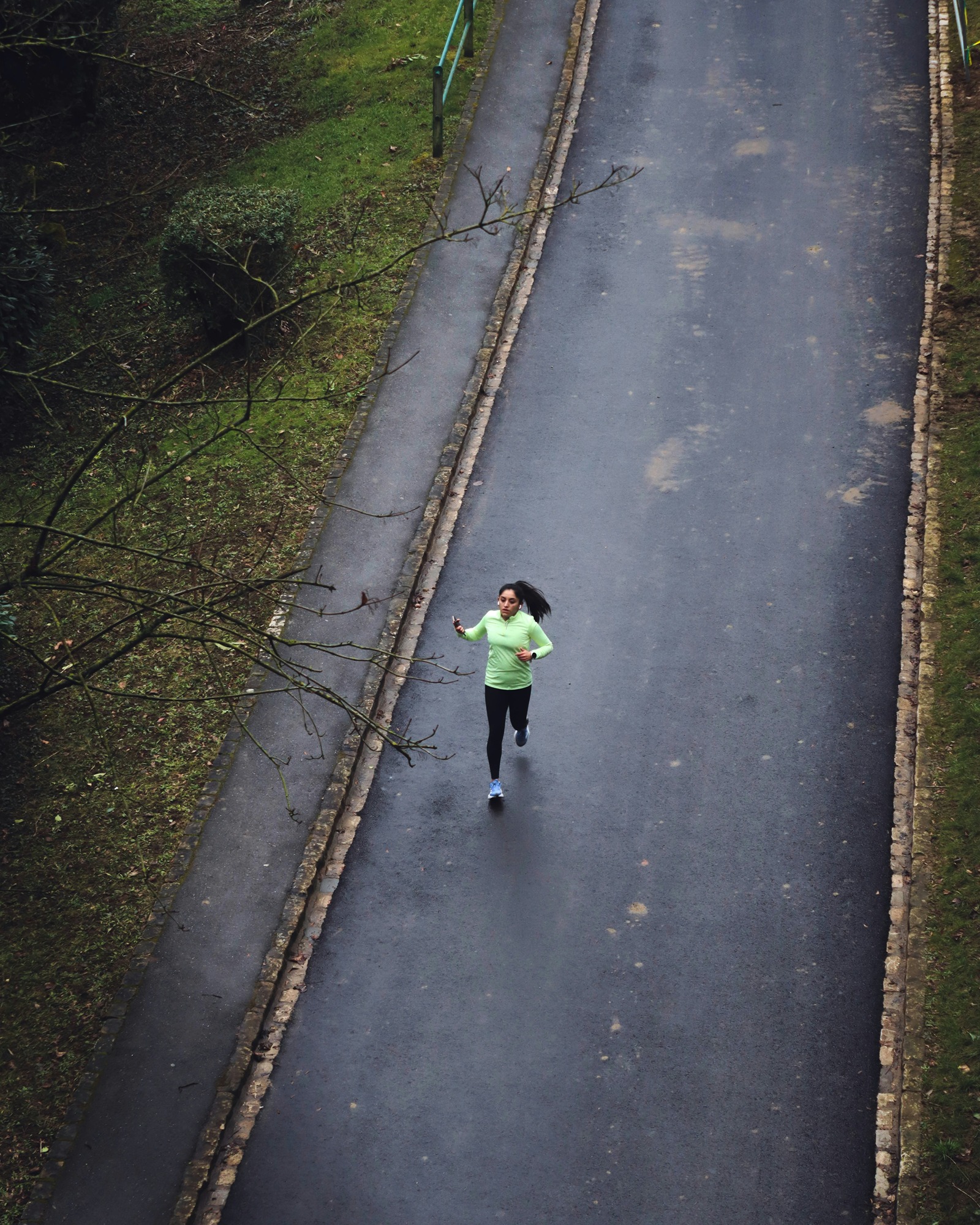
If you haven’t returned to running yet…
It’s normal to feel unsure. Lacing up your shoes after your 6–8 week GP check doesn’t automatically mean your body is ready for the demands of running — and that’s not a failure. Run-Ready Postpartum guides you step by step to rebuild strength, mobility, and core connection, so you can return to running safely and confidently when your body is ready.
If you already tried running and had to stop…
You’re not alone. Many women push themselves too soon and experience discomfort, pain, or symptoms they weren’t expecting. This programme helps you reset, rebuild, and regain trust in your body — so you can run again without fear, leakage, or injury.
Why this programme works
Run-Ready Postpartum is a guided pathway (approximately 12 weeks for most women) that reconnects and strengthens your core and pelvic floor, restores mobility, builds strong, functional hips, and gradually prepares your body to tolerate running impact. You’ll progress at your pace, with the ability to repeat or slow down weeks if needed — all while knowing you’re doing the right thing for your postpartum body.
Your support along the way
Every session comes with guided exercise videos, teaching points, and cues through the TrainHeroic app. You’ll also have direct access to me for questions, support, and feedback. You’re never doing this alone — every step is designed to help you feel strong, capable, and ready to enjoy running again.
I wasn't ready ....
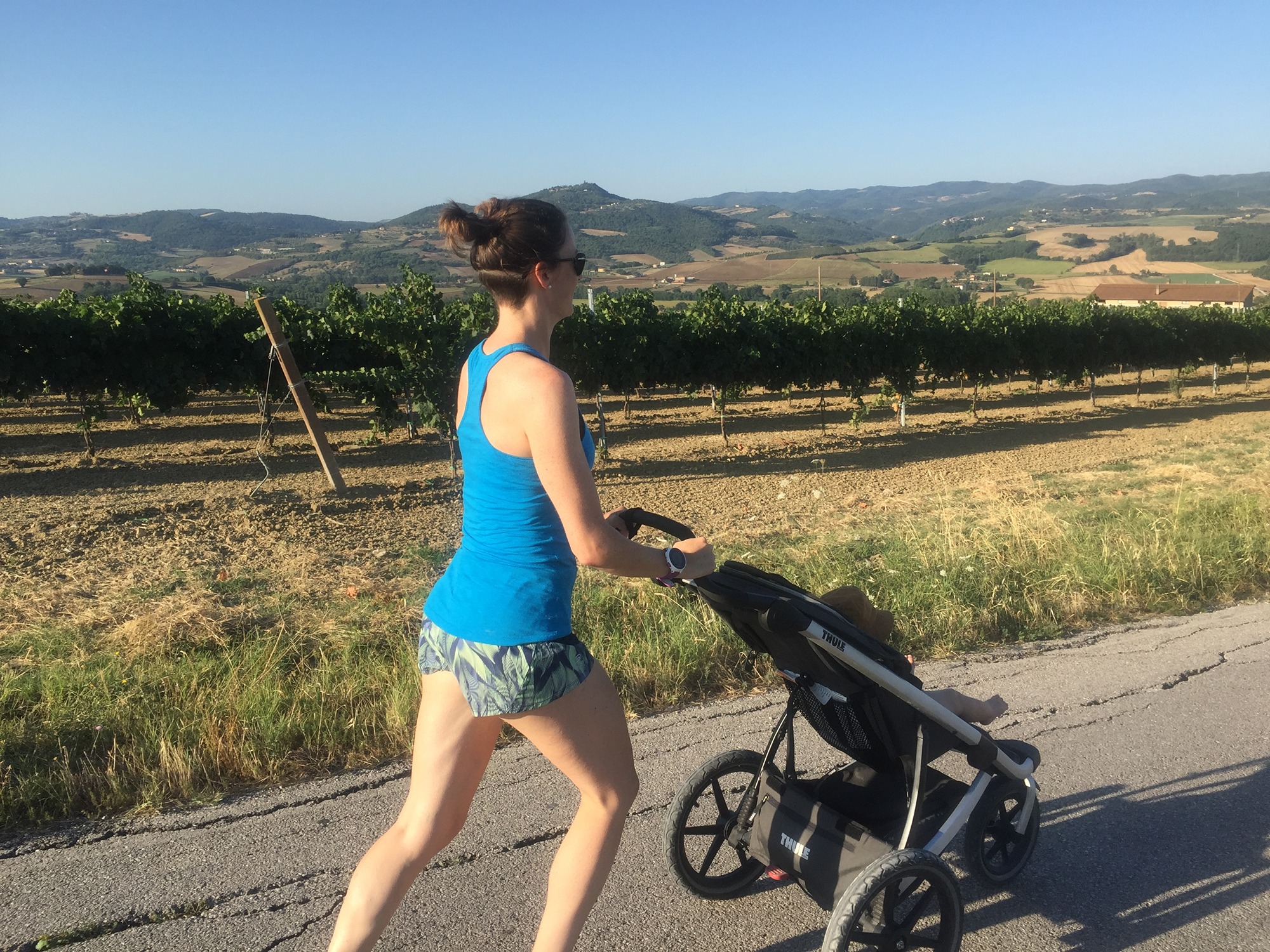
This photo was taken one year after the birth of my first son (2019). On the outside, it looked like I was “back to exercise.” But my body was telling a very different story.
I was dealing with ongoing back pain (later diagnosed as a prolapsed disc) and early symptoms of pelvic organ prolapse. Looking back now, I can see exactly what I was missing: a flared rib cage, poor connection to my core and pelvic floor, and movement strategies that relied heavily on my lower back instead of sharing the load.
At the time, I didn’t know any better.
I didn’t truly understand the biomechanical changes pregnancy creates, or how those changes affect strength, coordination, breathing, and impact tolerance. I didn’t know that my breathing needed to lead the way — helping my core and pelvic floor work together to support my body through movement and running.
So I did what many women do. I pushed through. I assumed discomfort was normal. And I thought I just needed to be stronger.
I wasn’t weak. I wasn’t broken.
I just wasn’t ready — and no one had shown me how to be.
That experience is the reason Run-Ready Postpartum exists.
I don’t want women to believe that leaking, heaviness, pain, or fear are simply part of running after having a baby. They’re signs that your body needs the right preparation — not that you should stop doing what you love.
Running is an incredible, accessible, and mentally powerful form of exercise — especially in motherhood. And when your body is properly supported, it can feel strong, confident, and enjoyable again.
I learned this the hard way — so you don’t have to.
What you will get
3 x structured workouts per week
Each week introduces a new training session. Repeat the session up to three times to maximise benefits and support consistent progress.
Direct contact with your coach: YES!
I don’t want any woman to feel alone while doing the absolute best for her body. Simply click the message button in your app to say hi or ask your burning questions — I’ll be there. I’m also notified every time you complete a session, so consider me your personal cheerleader, celebrating your wins along the way.
Education video: Breathing
Breathing is at the heart of everything you’ll do in this programme. Watch this video at the beginning to understand how to use your breath to support your core, pelvic floor, and every movement along the way.
Easy-to-follow programme
Every exercise comes with a guided video so you can follow along with confidence. All sets and reps are pre-planned — simply complete each one and tick them off as you go.
Lifetime access
Even after your 12-week programme ends, you’ll continue to have full access to all the workouts you completed. Revisit any workout anytime to stay strong, confident, and run-ready.
Ability to slow things down
If you’re not ready to progress to the next week, you can take a slightly slower pace and repeat a week before moving on — and that’s completely fine. Your progress is about you and your body, not the calendar.
Frequently Asked Questions
How soon after giving birth can I start this programme?
The Run-Ready programme is designed to meet you where you are.
You can begin the programme once you’ve completed your initial postnatal recovery phase (6+ weeks) and feel ready to start rebuilding strength and movement capacity — whether that’s a couple of months postpartum or several years after birth. The early stages focus on foundational strength, coordination, pelvic floor function, and load management, rather than running itself.
This approach allows your body to gradually develop the capacity required for impact, reducing the risk of pain, leaking, or setbacks when you do return to running.
If you’re unsure whether now is the right time, booking a free consultation can help determine readiness and the most appropriate starting point for you.
I have pelvic organ prolapse symptoms - is this programme safe ?
Yes — the Run-Ready programme is designed to be prolapse-aware and capacity-led, rather than impact-led.
Pelvic organ prolapse symptoms don’t automatically mean you can’t exercise or return to running, but they do mean that your body needs the right preparation. This programme focuses first on building the strength, coordination, and pressure-management strategies required to tolerate load safely.
Rather than rushing into running, the early stages prioritise:
Pelvic floor coordination (not just squeezing)
Breathing and pressure management
Whole-body strength and load distribution
Gradual exposure to impact, only when your body shows readiness
Many women with prolapse symptoms find that, with the right training approach, their symptoms improve or become more manageable as their body becomes stronger and more resilient.
That said, every body is different. If your symptoms are significant or fluctuating, an initial consultation is recommended to ensure the programme is appropriate for you and to determine the best starting point.
I have diastasis recti - is this programme safe?
Yes — the Run-Ready programme is designed to be diastasis-aware and progressive, rather than focused on rushing back to impact.
Having diastasis recti doesn’t automatically mean you can’t return to running, but it does mean your body needs the right preparation. This programme begins by rebuilding core coordination, strength, and pressure management, rather than simply strengthening individual muscles or jumping straight into running.
The early stages focus on:
Coordinating the deep core and pelvic floor
Improving breathing mechanics and rib cage control
Building whole-body strength and load tolerance
Gradually restoring your ability to manage pressure during movement
Can I add weight to the loaded exercises in this programme?
Yes — loading is an important part of the Run-Ready programme, but it is introduced progressively and intentionally.
Strength training helps build the capacity your body needs to tolerate impact, but adding weight too quickly or without the right movement strategy can increase pressure and provoke symptoms. This programme focuses on how you load your body before how much you load it.
You’ll be guided to:
Build sound movement patterns first
Coordinate breathing, core, and pelvic floor during load
Increase weight gradually as your control and confidence improve
Adjust load based on symptoms and recovery
Loading is always optional and adaptable. Many women progress to moderate or heavier weights as their strength improves, while others stay lighter depending on their goals and how their body responds.
The aim is not to avoid load, but to teach your body to manage it well — supporting both strength development and a confident return to running.
What equipment do I need?
Good question. The Run-Ready programme is designed to be done with minimal, accessible equipment.
You’ll need:
A 7-inch Pilates ball
A yoga block
An exercise mat
A medium resistance band
1 kg dumbbells
A single 3–5 kg dumbbell
That’s it. The equipment is used to support technique, control load, and progressively build strength — not to overwhelm you with complexity. If you already have similar items at home, they can usually be substituted.
As you progress, you may choose to increase load, but this is always optional and guided by how your body responds.
Your coach
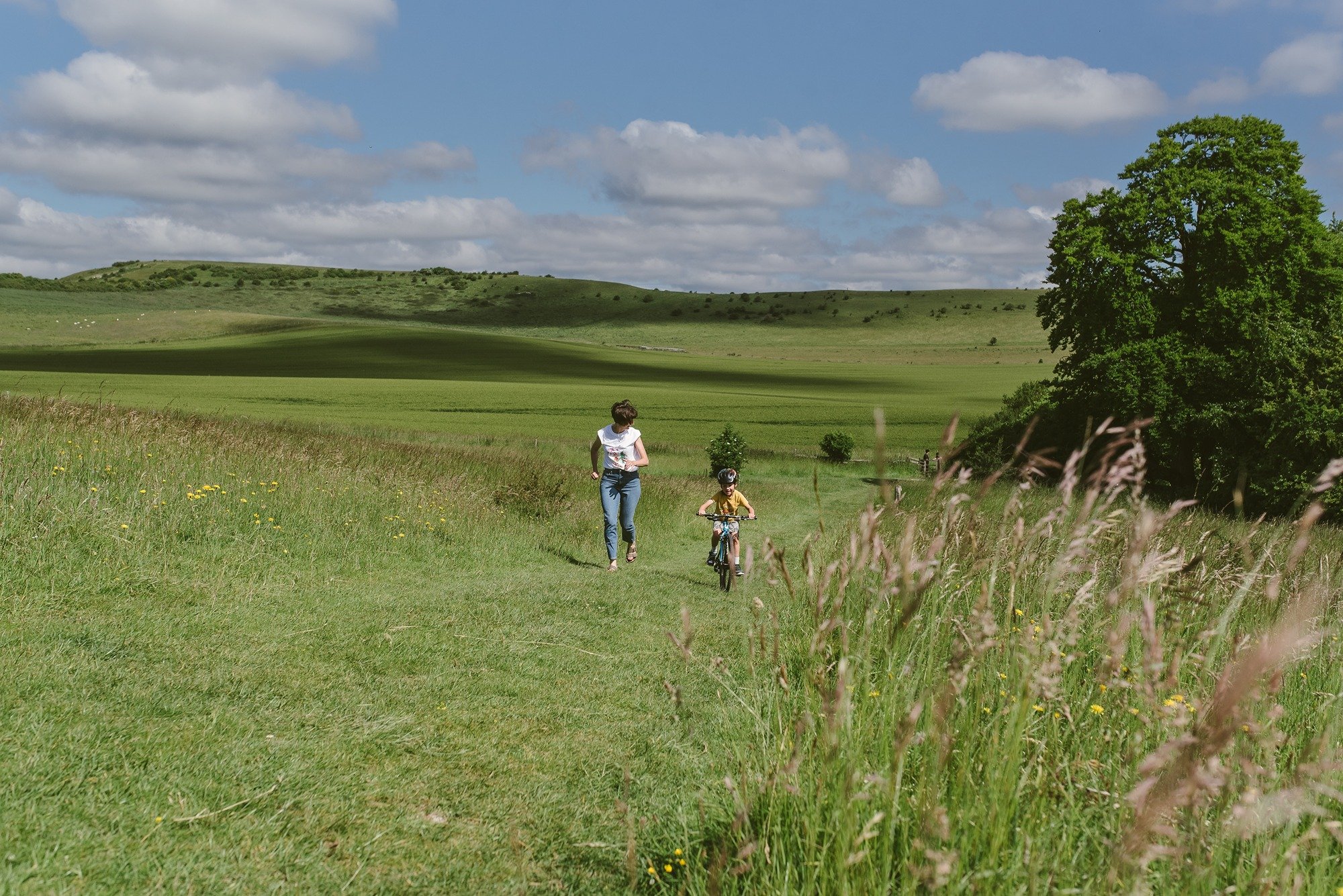
Hi, I’m Niamh — a mum of two very active boys and a lifelong lover of movement. I’m a sport and dance scientist with a PhD in exercise physiology, and an expert in female corrective exercise, with a special focus on core and pelvic health, movement mechanics, joint mobility, and strength.
Running and sport have always been a big part of my life. My favourite distance has always been the half marathon, though I’ve never been able to resist the mental challenge of a fast 5K race.
My relationship with running has changed a lot since having children. While I still race occasionally, most of the time I lace up my shoes for the simple joy of moving, staying strong, and maintaining my physical and mental wellbeing. I know how lucky I am now to run without thinking about whether my body can handle it — but it wasn’t always like that.
After my first pregnancy, I experienced back pain and pelvic floor issues that made running feel unsafe and frustrating. I missed the freedom and confidence I once had. Through targeted movement, strength, and breathing exercises — like the ones included in this programme — I rebuilt my body and got back to running safely.
I’m passionate about helping women keep running available to them through the big physical transitions of pregnancy, motherhood, and even peri-menopause. My goal is to help you move confidently, stay strong, and enjoy running — just as I can now.